Senior Quest Designer | 2019-2021
Multiplayer Action RPG set within a unique take on the Marvel Universe.
Owned the design and implementation of First Time User Experience (FTUE)
Mentored Junior Designers on the team
Designed and playtested Levels, Quests, and PvE/PvP Modes using proprietary tools
Collaborated with the Lead Quest Designer to establish Quest Design direction
Wrote compelling dialogue and prose in line with the Marvel brand
Worked with localization partners to translate the game into 12+ languages
Worked with Gameplay, Engineering, UX, and more to create game modes and Quest tools
-
![]()
Principal Designer: Narrative Systems
Taking my experience using Kabam’s proprietary toolkit and adapting it to a new type of game in the Marvel Universe.
-
![]()
Designer: World Quests
Shipping high quality missions and cross-diciplinary collaboration.
-
![]()
Principal Designer: FTUE
Technical Design and Scripting, Data-Driven Design, and Live Operations coming together to make a bold first impression.
-
![]()
Level Design
Level and Encounter Designer - from block-in to performance optimization and collaboration with Environment Art,
-
![]()
Design Pre-Pro
Prototyping and iteration on core game modes, design disciplines, and pipelines.
-
![]()
Storytelling
Scriptwriting, worldbuilding, and visual art.
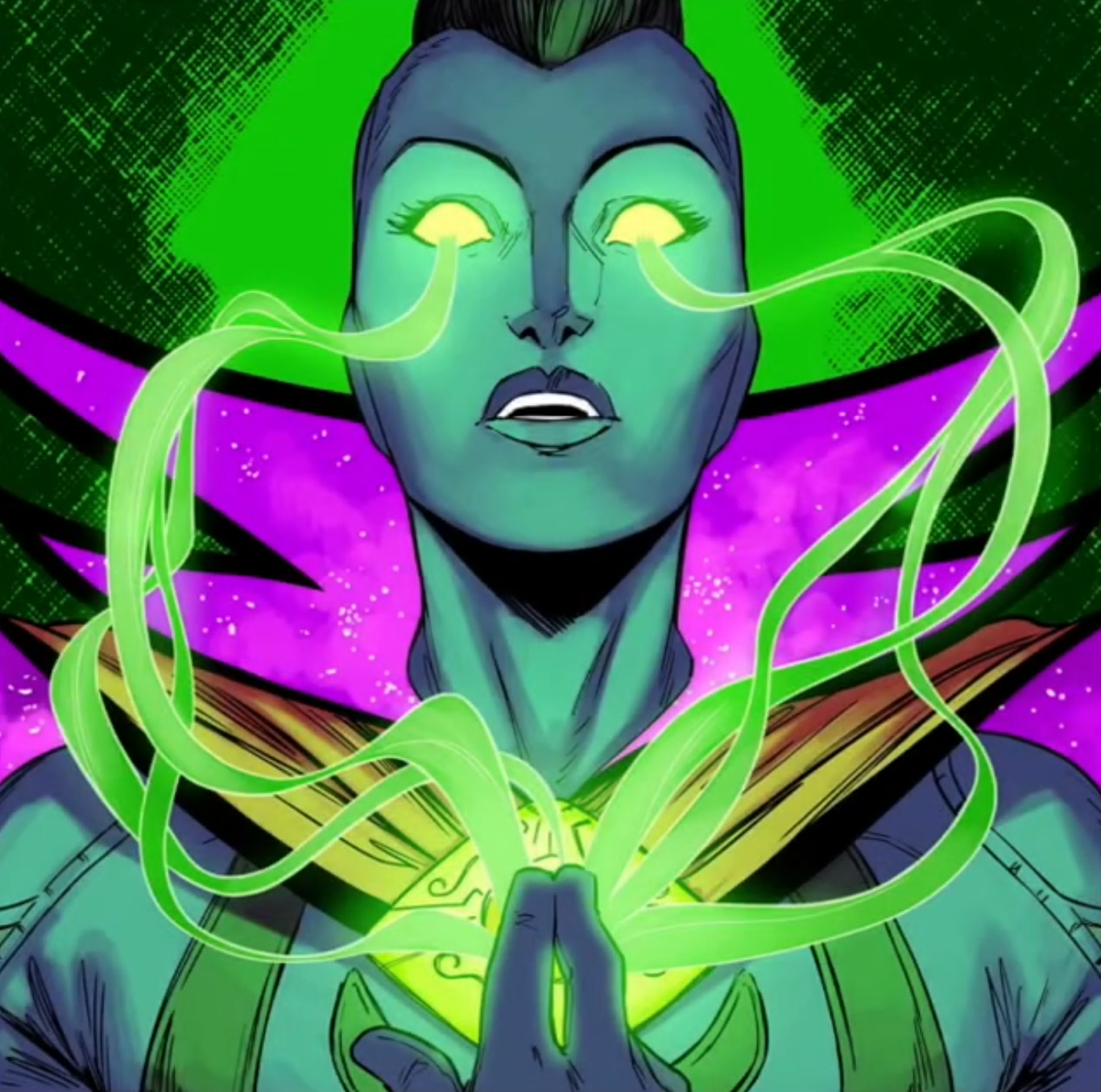
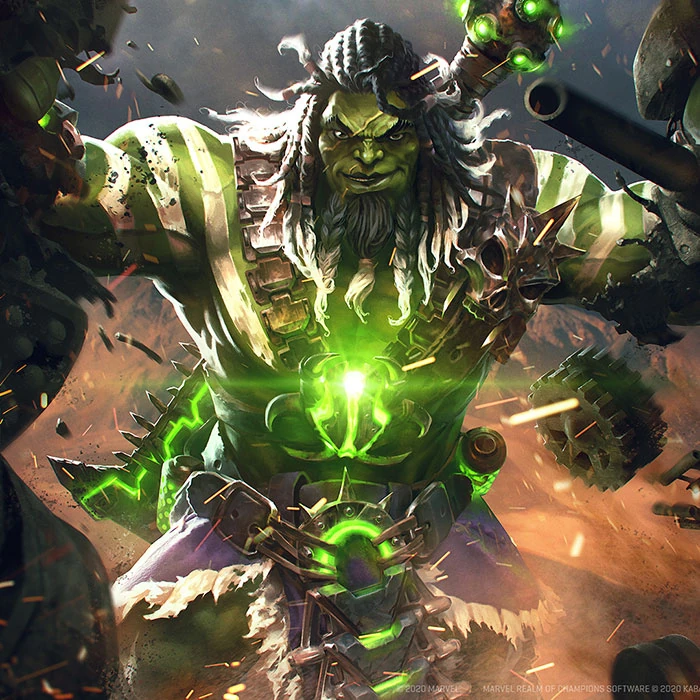
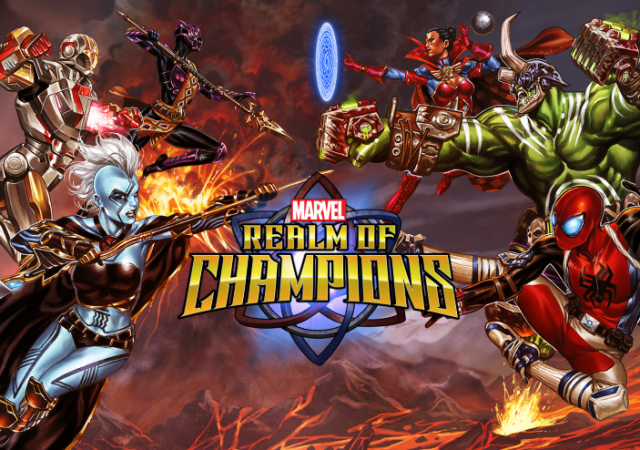
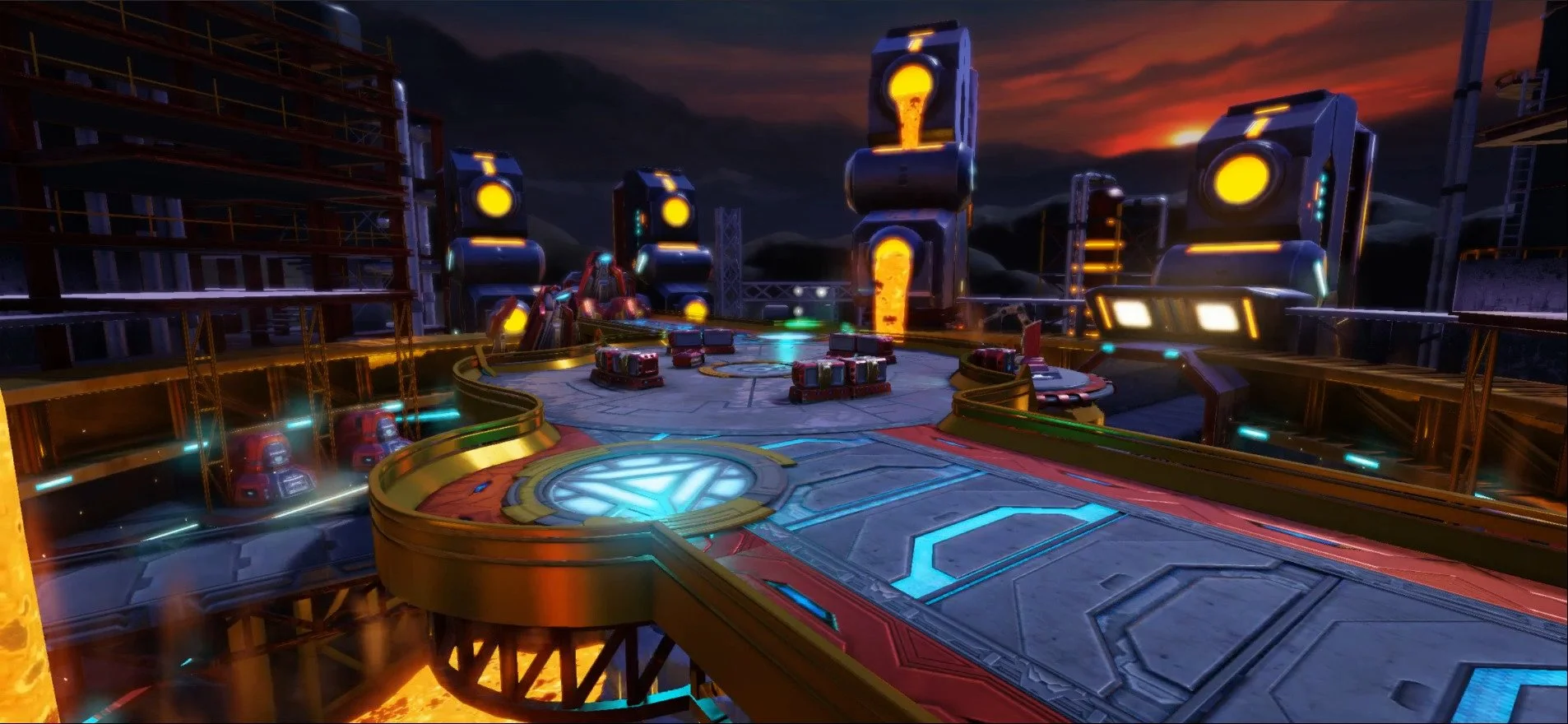
Designer: World Quests
World Quests are PvE Experiences designed to deliver bi-monthly story beats to players and introduce new mechanics.
For Black Mirror, I pitched several new features to deliver on Realm of Champions’ first ever Boss Fight. This came in response to player feedback seeking more unique experiences that better delivered on the promise of our world.
Additionally, I wrote all dialogue and Codex entries for the Quest as well as implementation, encounters, tuning, and layout work for each encounter.
Black Mirror Part 2
In part 2, I pitched the introduction of a Boss fight featuring the exploding enemies as a key mechanic to defeat the Boss. This also included different gameplay cameras, and working with our Gameplay Team to iterate on Boss Behaviors.
Implementation of the Boss fight relied on my mastery of our proprietary Mission scripting tools to create distinct phases of the fight, as well as coordinating Character Art, VO, and Environment Art Teams to ensure the presentation quality was up to our standards while also making smart compromises and reusing assets where possible to keep production costs low.
Black Mirror Part 1
In Part 1, I pitched the introduction of a new “exploding” enemy archetype, working with RPG and Gameplay designers to craft these archetypes in a way that provided players interesting tactics in our sandbox.
Importantly, these enemies were used in the subsequent World Quest, creating a sense of progressive mastery for players who experienced them outside Black Mirror Part 2 and could defeat them more effectively.
Motion Comics
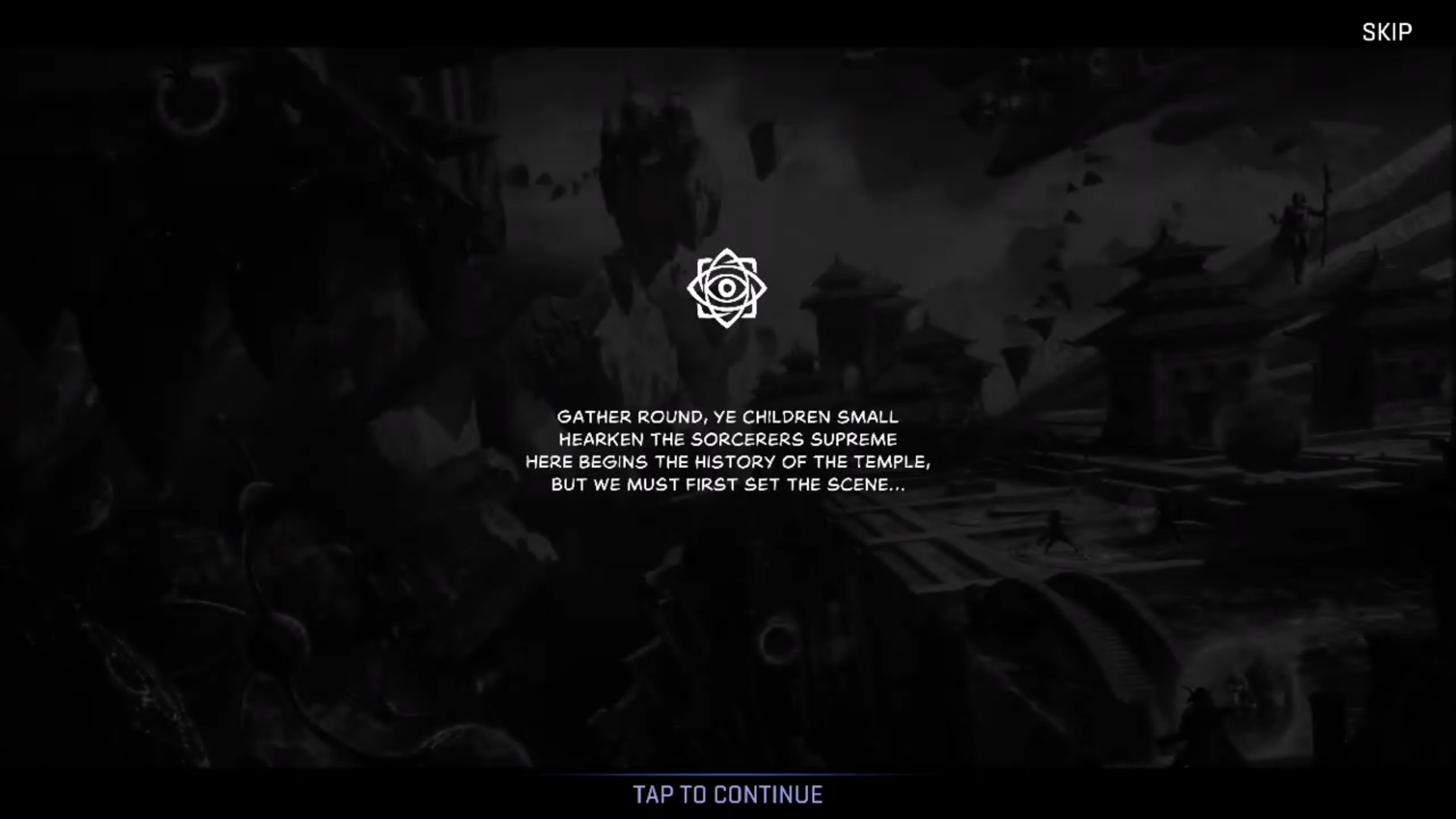
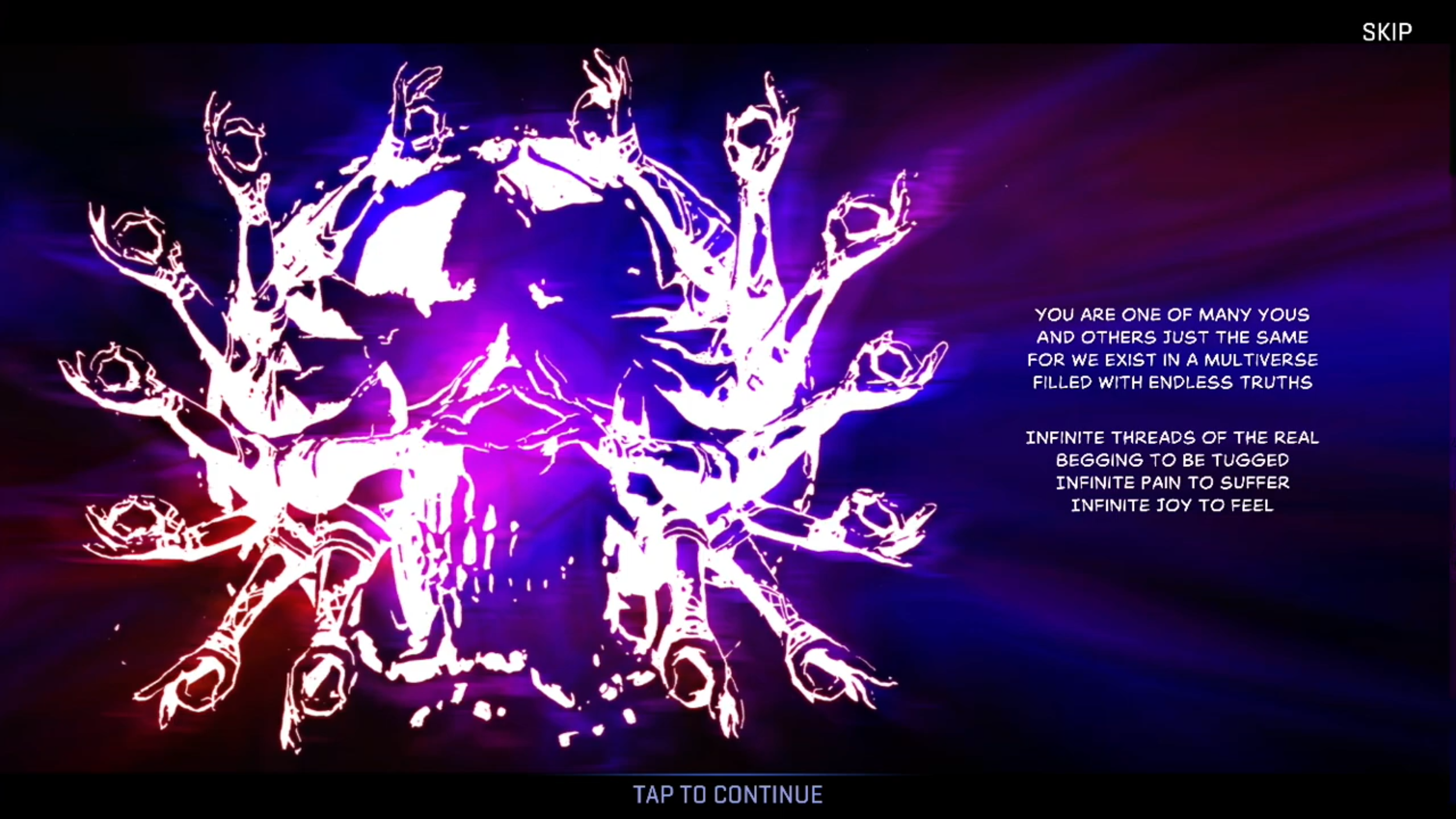
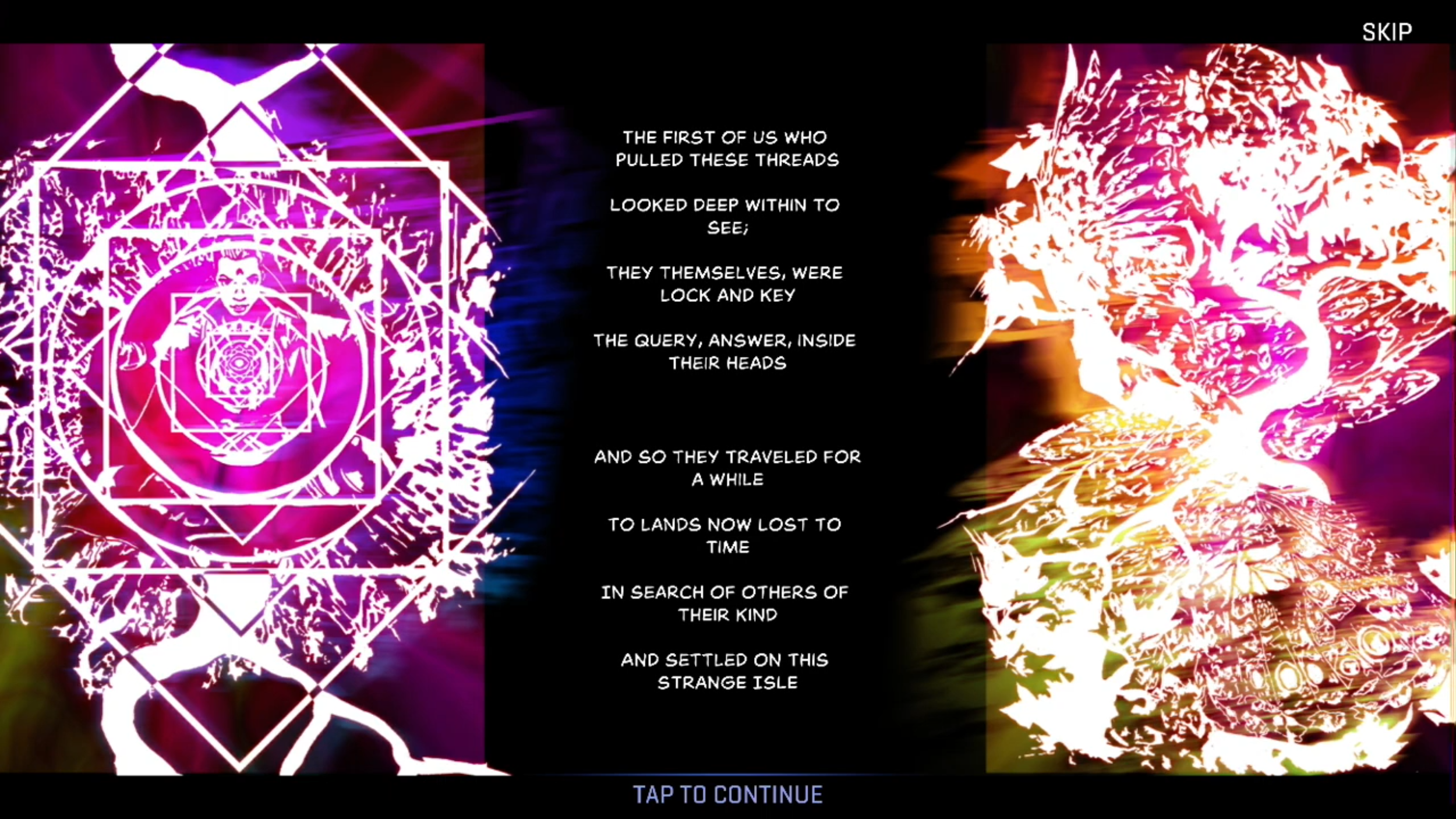
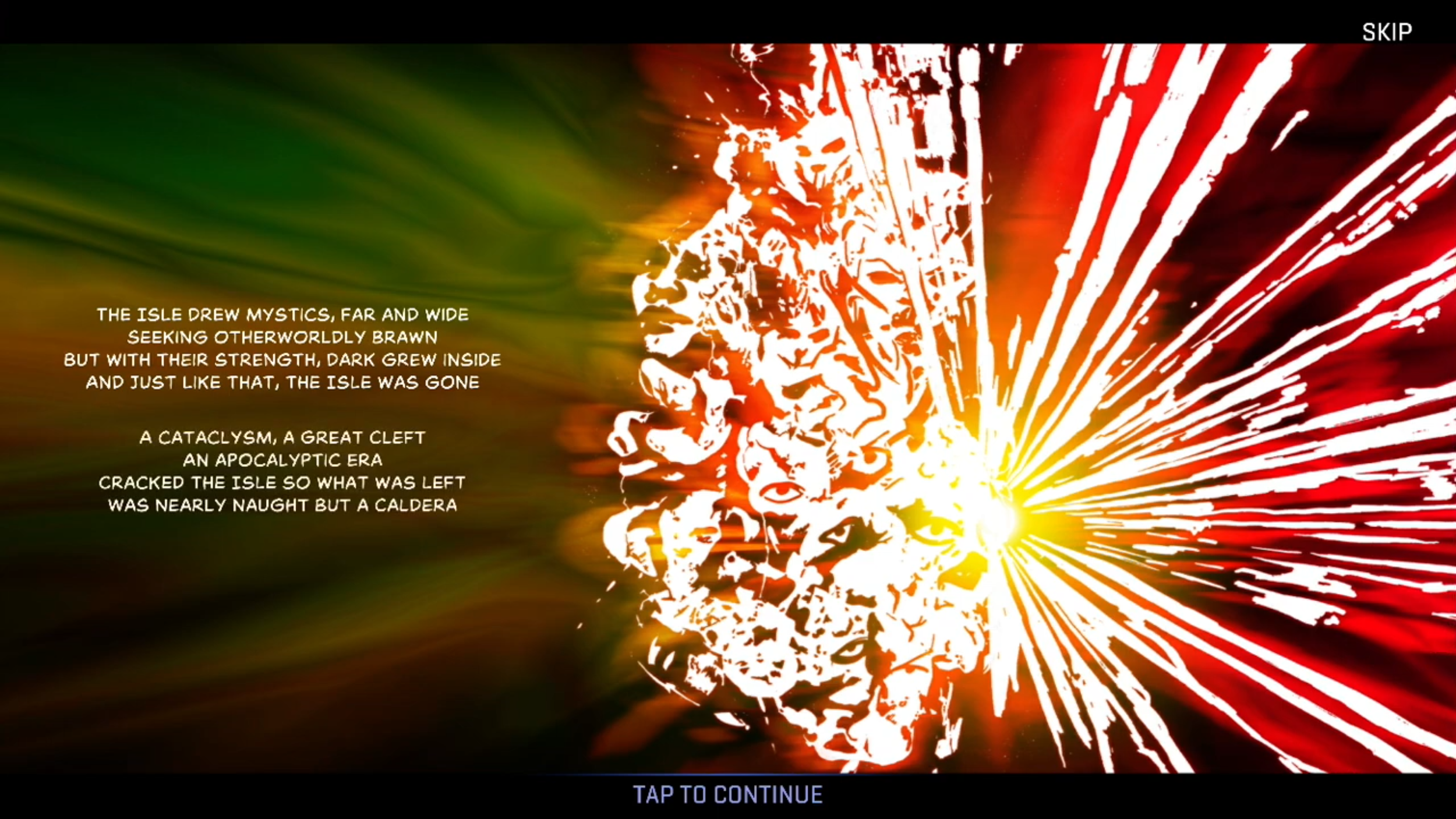
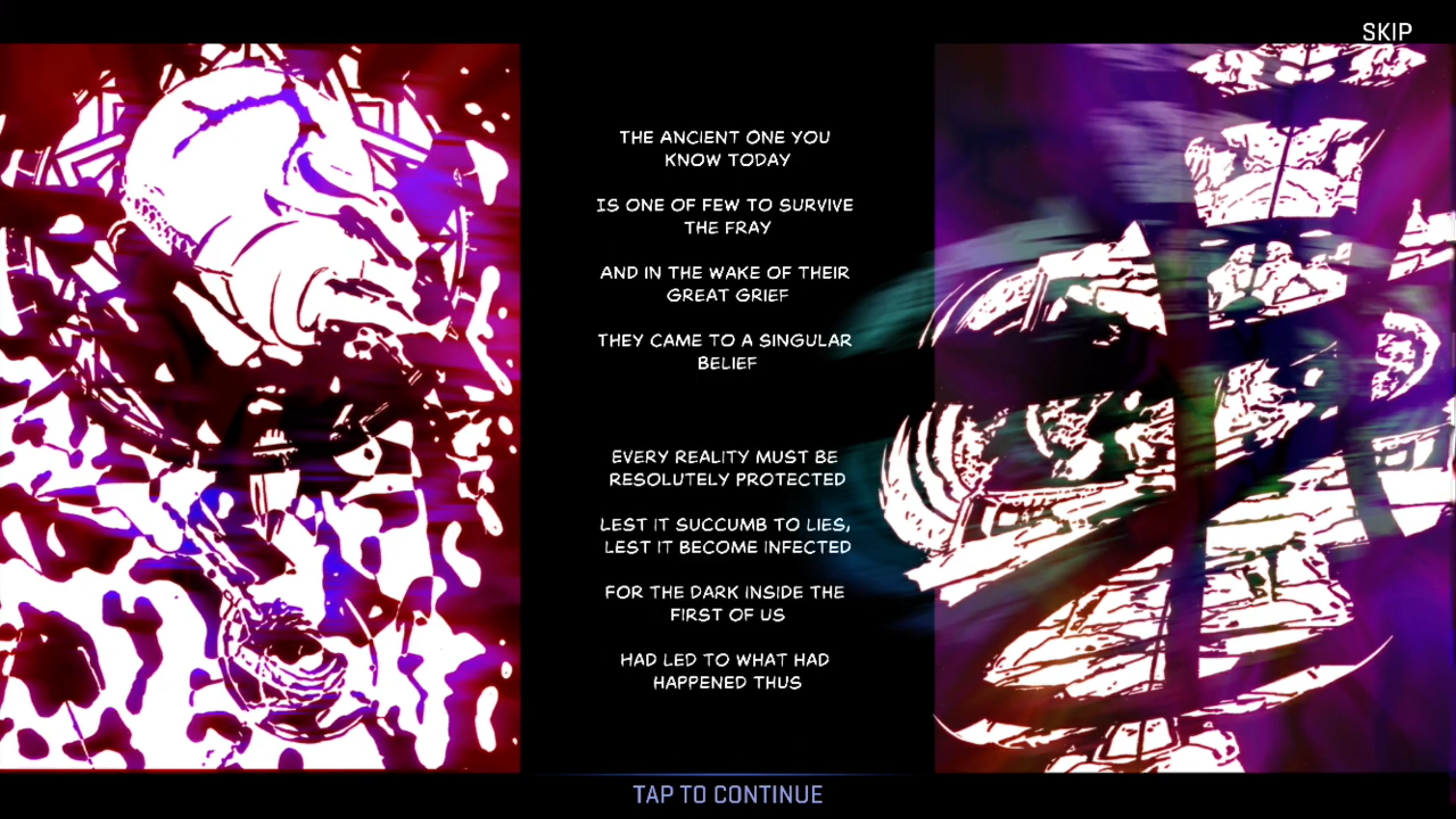
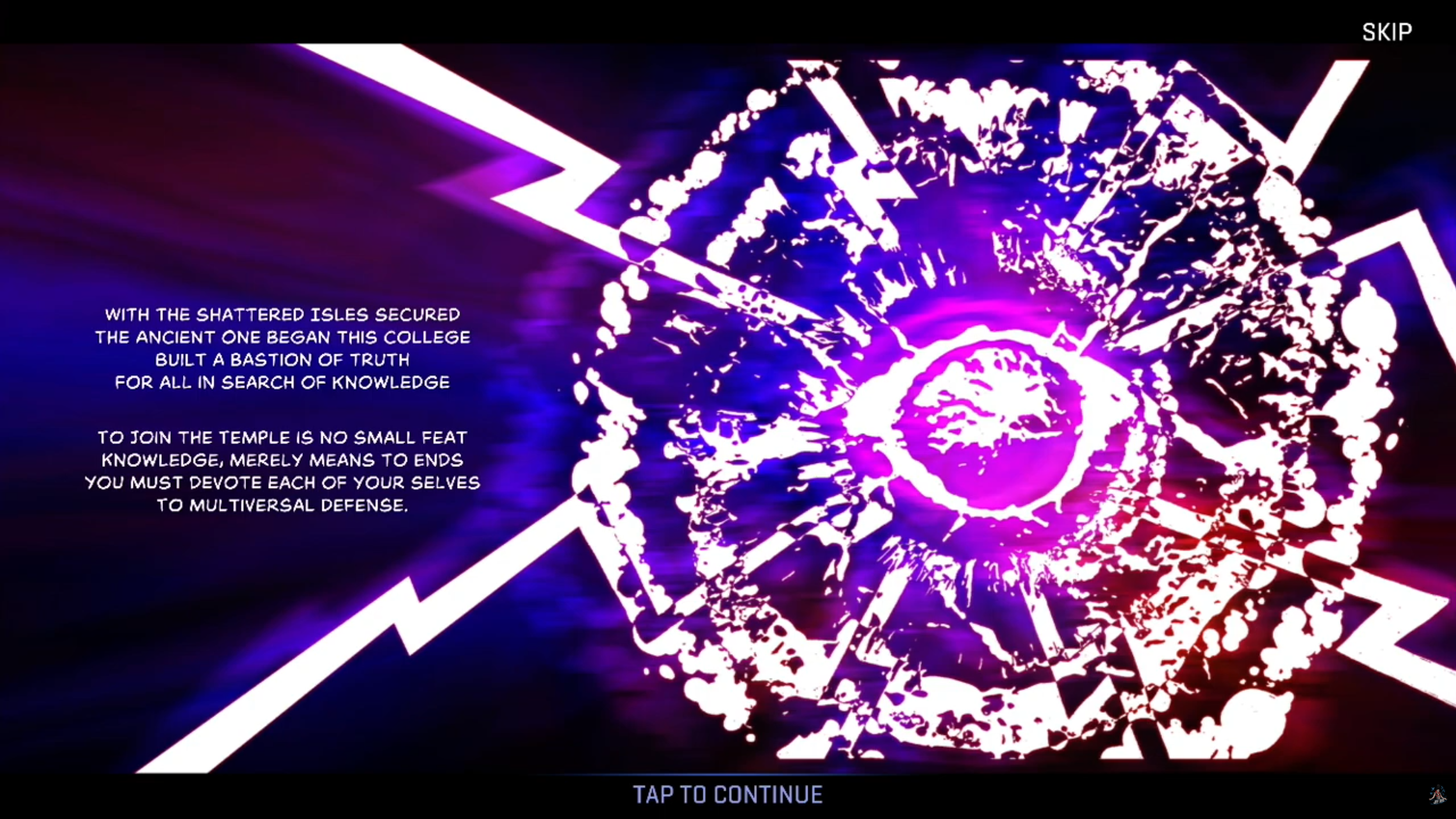
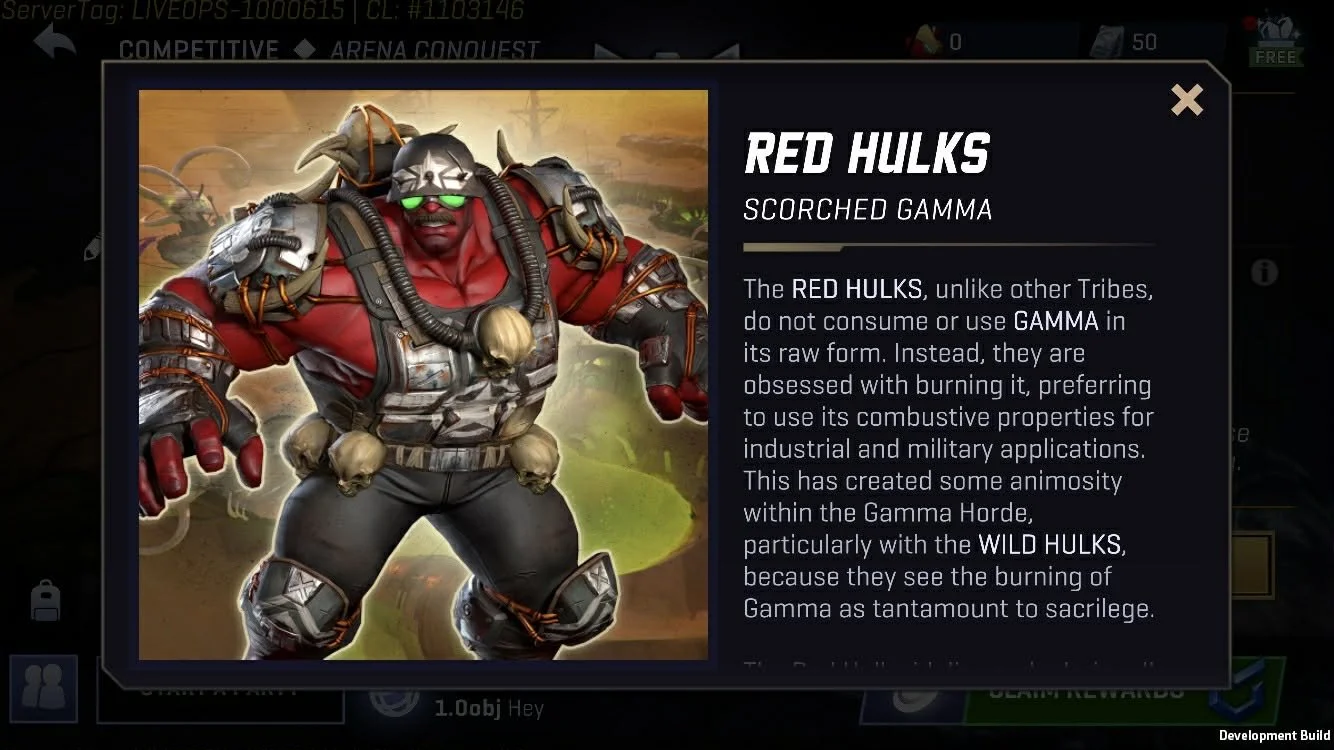
I also owned the systems and implementation of all our Motion Comics, utilizing a proprietary Unity UI Tool and expanding the use of animated and style options to enhance the storytelling quality from our efforts on Contest of Champions. I was also the writer of Gamma Horde Part 1 and 2, Temple of Vishanti Part 1 and Writer and artist on Temple of Vishanti 2 - you can see that artwork HERE.
Left, you can see one of the more than 10 Motion Comics I implemented which I feel made especially good use of animations to enhance the storytelling of the comic.
If you’d like to see all the Motion Comics in the game, see HERE.
Dialogue Systems
The Dialogue Systems I adapted from Contest of Champions needed to work with a completely different format of game. On Contest of Champions, each “encounter” on a map could tell a unique story with dialogue. Realm focused on matchmade modes instead of handcrafted encounters, so a new approach was required.
Instead of in-game conversations, we created “Dialogue Slots” on each game mode on the server, and implemented new parameters on conversations that allowed us to tell expanding stories as players repeatedly played each mode without repeating conversations.
Additionally, since Realm’s core feature was full hero customization, I worked with our RPG team to integrate dynamic character generation and showcase our incredible armor sets through dialogue characters.
Codex
After our 1.0 release, it became clear from player feedback that they wanted to know more about the world and discover it as they played. They also felt Marvel and the unique take on the Marvel Universe we had created had so much more to offer in-game.
To solve these problems and offer players a light element of discovery/completionism, I worked with our Engineering and UI Teams to develop the Codex: Text/Image Panels that could be “Discovered” when certain modes and maps entered rotation and offering an expanded history of Battleworld. This encouraged players to log in and check out the new Codex Entries, and also enabled us to tell progressive stories via the codex and mode scheduling. I also wrote much of the content in these entries during my time on the project.
Design Lead: Narrative Systems
On Marvel Realm of Champions I took my experience working with Narrative Systems on Contest of Champions and expanded our toolset in a way that suited our new gameplay format but also delivered more story to players who wanted it.
I was the design lead for our 3 primary Narrative Systems, using them daily, pushing their limits, and reacting to data about their use: Motion Comics, Conversations, and the Codex.
Principal Designer: First Time User Experience
I was the principal (and only) designer working on the tutorial of Realm of Champions. My work on the tutorial ranged from UI implementation, to Mission scripting, to narrative and Live Operations. I was responsible for the design and implementation of most content in the tutorial, using feedback and player data to iterate and bring FTUE completion above 90% during our beta period.
While beta testing our Tutorial, we continuously evaluated player data, leading to major iterations and even split testing 2 entirely different tutorials - starting players with either Iron Man or Hulk and framing their experience differently.
Level Design
I was the level designer on 4 main Maps: Kamar-Taj (PvE), Palladium Mines (PvP), The Raft (PvP), and Asgardia (PvP). I also developed multiple level features such as cover heights and Hazards in order to effectively integrate levels with our robust gameplay and deep RPG systems.
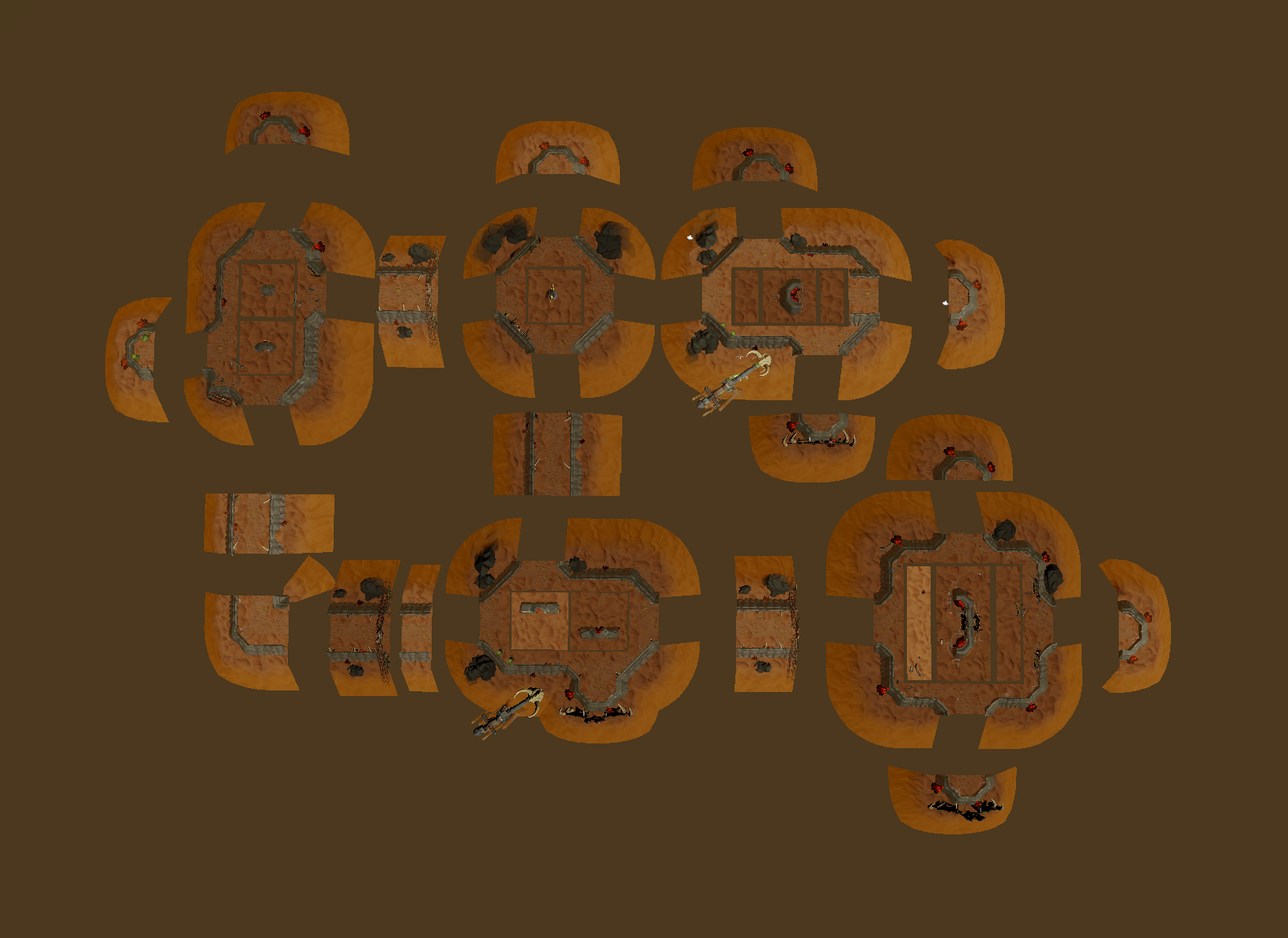
Kamar-Taj was a PvE Map I created for our “Strongholds” mode - it featured 3 distinct spawns/defense points that were randomly selected when matchmaking.
In this early block-in of Kamar-Taj, you can see the use different cover heights as well as early Strongholds mode exploration. Cover heights were a level feature I pitched and developed alongside our gameplay and RPG designers to offer significantly more tools to challenge players, their Champions, and their team compositions.
The Raft
Battleworld’s Most Hardened Prison
Asgardia
Shattered Bifrost of the War Thor
Palladium Mines
The Heart of the Iron Legion
Design Pre-production
During Pre-production of Realm of Champions, I worked with our Creative Director and Quest Lead to define the vision for Quests and Levels, while also contributing to the design of multiple Game Modes such as our flasgship “Baron Wars” mode.
In this 2019 Prototype, you can see the early explorations for Quests and Levels. These early experiments focused on delivering handcrafted levels and encounters across “node” maps to give players a sense of progression. Over time, we pivoted to a more repeatable mode-based structure to support higher quality content and visual fidelity.
While exploring ways to reduce our scope and cost while maintaining a high quality bar, we developed a modular level toolkit. This toolkit was designed with 4 main functions:
Shrink the delta in quality across our supported devices
Speed up level creation/iteration time
Retain level design flexibility
Support “pallette swaps” for different environments to multiply perceived environmental variety
We ended up with an extremely robust system that, while meeting the above goals, would no longer have suited the metagame structure of mode-based gameplay. Thus, it was abandoned for a more traditional level design pipeline.
Story Development + Writing
Throughout all of the above, I was also a key contributor to the lore, worldbuilding, marketing materials, and writing of in-game story elements such as Codex entries and character dialogue.
This process required an authentic curiosity about Marvel’s history, deep understanding of their characters, my own strong creative instincts, and constant collaboration with both our creative director and Marvel Games.
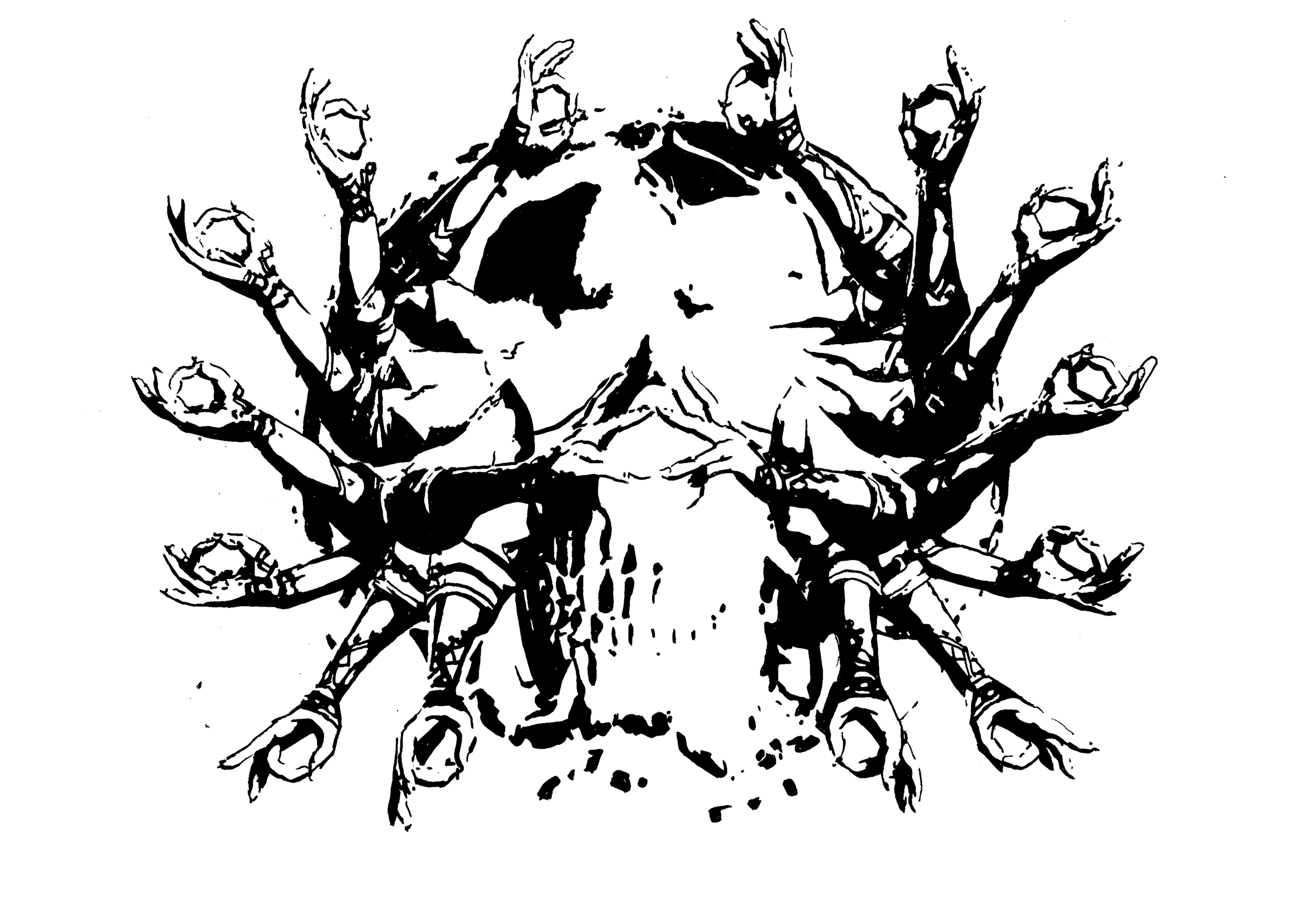
I was also fortunate enough to have the opportunity to use my fine art background to draw one of the comics in our game, which you can see below. You can find the Inks for this project HERE as well.
In writing the comic below, I framed it as a fable told to young sorcerers in the Temple as a way to explain the Ancient one in this universe, and the creation of the Temple of Vishanti. The Poem uses varying rhyme schemes for each stanza and esoteric language to represent the Temple being a nexus of multiple (often conflicting) realities, and the Ancient One being an amalgam of every Ancient One everywhere forever. I wanted readers to feel caught between each stanza, never quite settling into a predictable rhythm - the words as the ground shifting beneath their feet.